
Self-Build Mortgage Stage Payments Explained
How self-build mortgages release money in stages, the difference between arrears and advance payments, and how to plan cash flow for your build.
By PMS Mortgages · Published 7 November 2026 · Meet Ria Ali
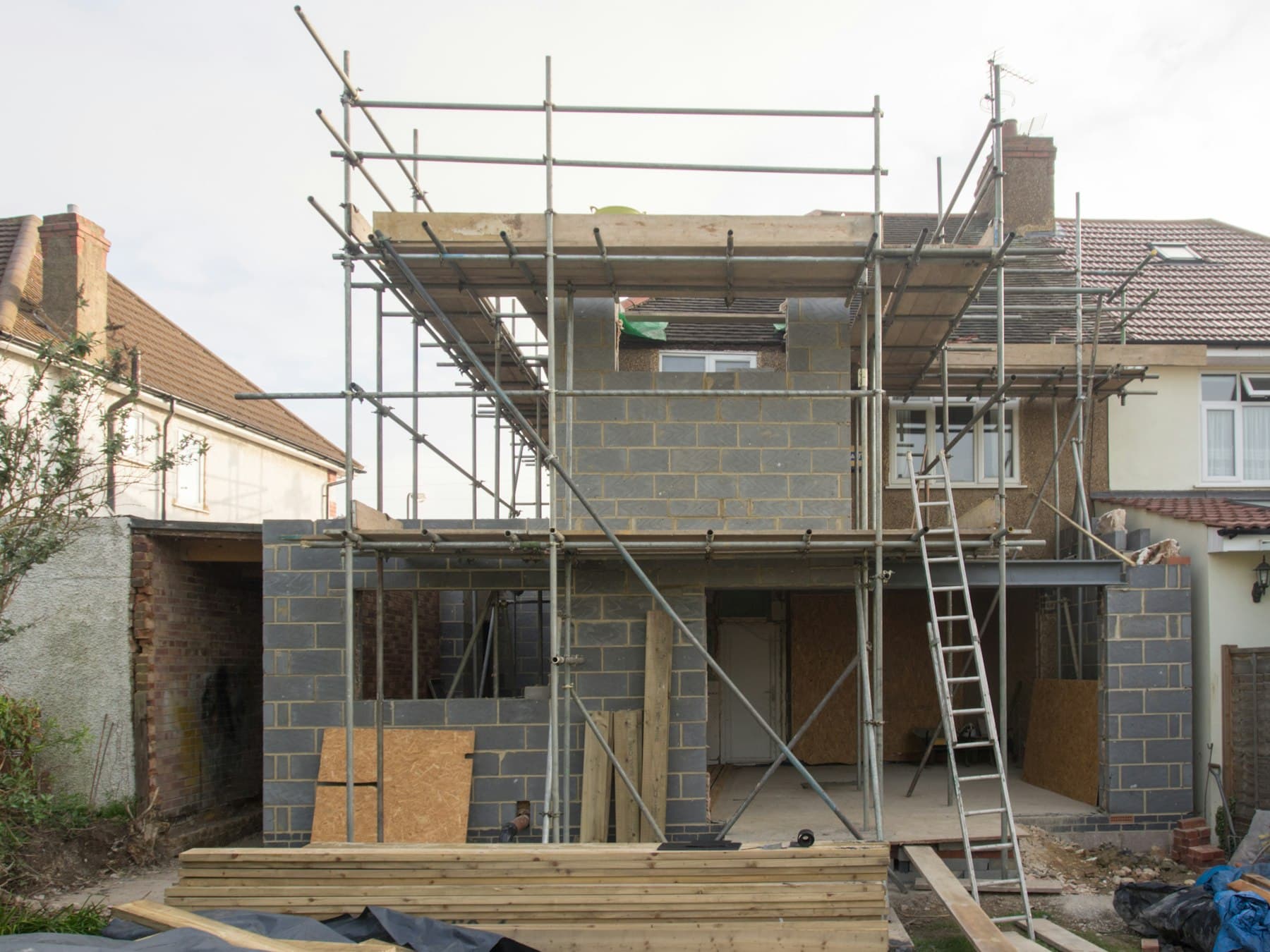
A self-build mortgage works differently from a standard mortgage. Instead of lending the full amount on completion day, the lender releases money in stages as your home is built. Getting the stages and your cash flow right is the difference between a smooth build and a stalled one.
How stage payments work
Your build is split into stages agreed with the lender. Before each payment, the lender's valuer usually visits to confirm the work is done and the property is worth what the lender expects at that point. Typical stages are:
buying the plot, where the lender will fund it
foundations
wind and watertight: walls, roof, windows and doors
first fix: plumbing, wiring and internal walls
second fix and finishing
completion and final sign-off
Some lenders use fewer, larger stages and some use more, smaller ones. Fewer stages can mean longer gaps between payments, so it pays to compare.
Arrears or advance: why it matters
With arrears stage payments, money is released after each stage is finished. You need enough savings or other funds to pay your builder for that stage first, then the lender pays you back. This is the more common option.
With advance stage payments, money is released at the start of each stage, so you are paying the builder with the lender's money rather than your own. This makes cash flow much easier, but fewer lenders offer it and the costs can be higher.
The right choice depends on how much cash you have, how your builder wants to be paid and how long each stage will take.
Planning your cash flow
Ask your builder or project manager for a stage-by-stage cost breakdown and payment schedule.
Line each builder payment up against when the lender will release funds.
Allow for gaps: valuer visits and releases take time to arrange.
Keep a contingency for overruns. Lenders will rarely increase the loan part-way through.
Remember costs that sit outside the stages, such as planning, warranty fees, connections and temporary accommodation.
What lenders want before the first release
full planning permission and building regulations approval
architect's drawings and a detailed build costing
details of who will carry out the work
a structural warranty or architect's certificate for the finished home
evidence of your deposit and contingency
When the build is finished
Once your home is signed off, the self-build mortgage can usually move onto, or be refinanced to, a standard residential mortgage. Planning this at the start avoids being left on a more expensive rate.
Talk to us about your build
We arrange self-build mortgages with fee-free advice, and can help you choose between arrears and advance stage payments. If you are building to sell or let instead, see our development finance page.
Your home may be repossessed if you do not keep up repayments on your mortgage.
Frequently asked questions
Arrears payments are released after each stage is complete, so you fund the work first. Advance payments are released at the start of each stage, which helps cash flow but is offered by fewer lenders.
The lender usually sends a valuer to confirm the stage is complete before releasing the next payment.
Lenders will not normally increase the loan part-way through, so build a contingency into your budget from the start and keep savings available.
Thinking about your own mortgage?
Speak to an adviser about what this means for your situation. There is no charge for an initial conversation.
More reading
Development Finance Terms Explained: GDV, LTC and More
GDV, loan-to-cost, day-one advance, rolled-up interest and exit fees: the development finance terms you need to read a term sheet and compare offers.
2 min readPortfolio Landlord Refinancing Checklist
A practical checklist for portfolio landlords refinancing or raising capital: what lenders look at, what to prepare and how to plan around fixed-rate end dates.
2 min readGetting a Mortgage With NHS Bank Shifts and Overtime
Will a lender count your bank shifts, overtime and unsocial hours? How lenders treat NHS pay, what documents you need and why the right lender matters.
2 min read