
Development Finance or Bridging Finance: Which Do You Need?
Bridging or development finance? How each works, which suits auction buys, refurbishments, conversions and new builds, and what lenders want to see.
By PMS Mortgages · Published 14 November 2026 · Meet Ria Ali
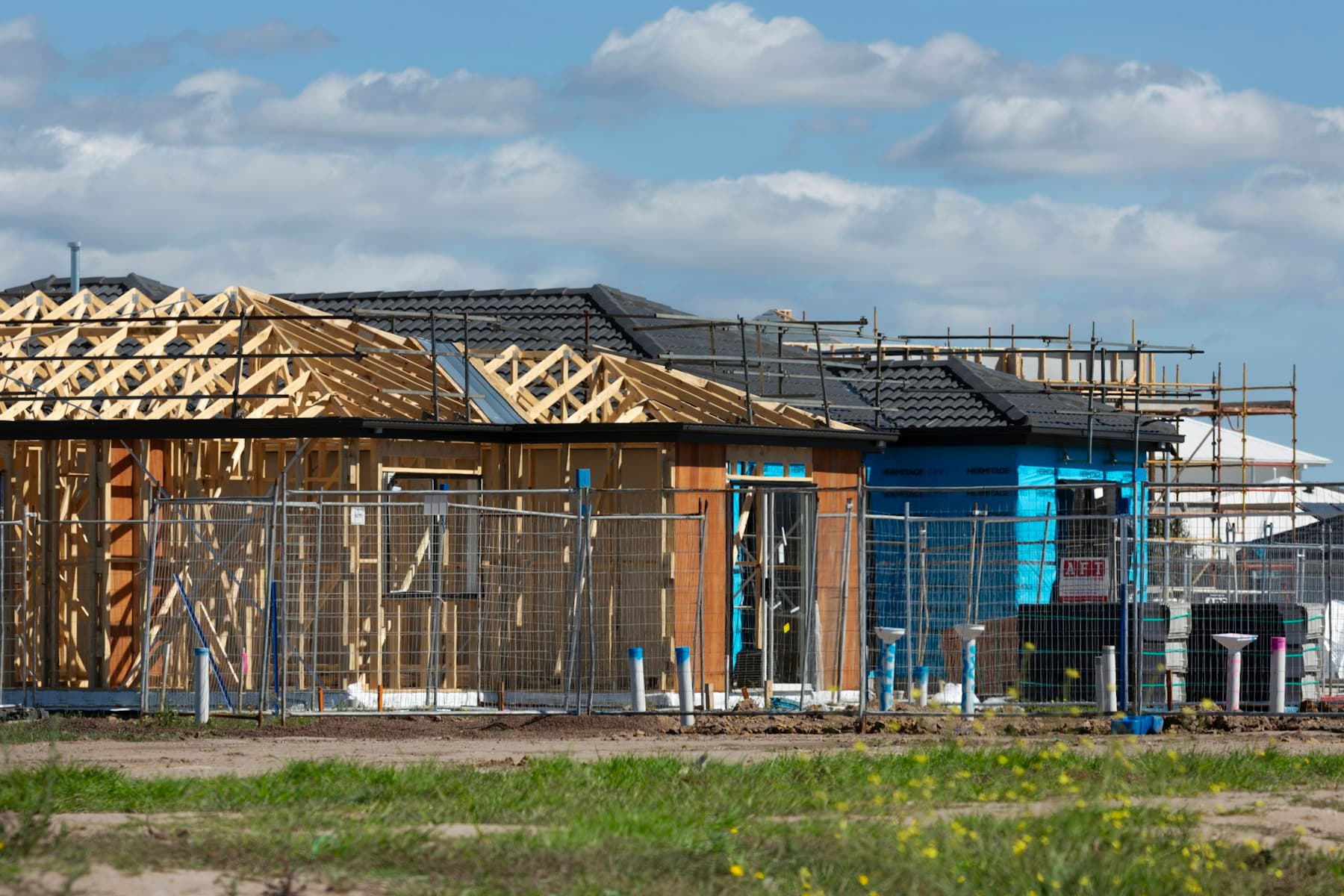
The simplest way to tell them apart: bridging finance mainly funds buying a property, while development finance mainly funds building or substantially rebuilding one. Bridging is usually paid out as one lump sum at the start. Development finance is released in stages as the work progresses. Which you need depends on how much work the project involves.
The main differences
| Bridging finance | Development finance |
|---|---|---|
Best for | Auction buys, chain breaks, light refurbishment | New builds, conversions, heavy refurbishment |
How it's paid | Mostly at the start | Purchase or land funding, then build costs in stages |
Based on | The property's current value and your exit | Total project cost and the finished value |
Interest | On the full loan from day one | On funds drawn so far |
Typical term | A few months to around 18 months | Usually the length of the build plus a sale or refinance period |
Lender checks | Value, security and the exit | Planning, costings, contractor, experience and the exit |
When bridging is the better fit
Bridging suits projects where most of the money goes on the purchase and the works are modest. That includes buying at auction, buying a property that can't yet be mortgaged, or cosmetic refurbishment such as a new kitchen, bathroom and decoration. Some lenders offer refurbishment bridging that also funds part of the works, which can stretch to light structural changes. Our guide to what a bridging loan is explains how the costs and exit work.
When you need development finance
You'll usually need development finance for ground-up new builds, conversions (such as an office or commercial unit into flats, or a house into an HMO or flats), and heavy refurbishment that needs planning permission, building regulations sign-off or structural work. The lender funds part of the land or purchase, then releases build money in stages. Before each release, a monitoring surveyor checks the work done so far.
Lenders base the loan on the total cost of the project and on the finished value, usually called the gross development value (GDV). Our article on development finance terms explains GDV, loan to cost and the other terms you'll see in an offer.
What lenders want to see
For development finance, expect to provide:
Planning permission, or a clear route to it
A detailed schedule of build costs and a timeline
Your experience, or that of your professional team and contractor
Comparable evidence for the finished value or rents
Your exit: a sale of the units, or a refinance onto a longer-term mortgage
First-time developers can get funding, but usually at a lower percentage of costs and with a stronger professional team behind them.
Using both on one project
Many projects use both. A common route is to buy a site quickly with a bridging loan while planning is finalised, then refinance onto development finance for the build. On completion, the units are sold or refinanced onto buy-to-let or commercial mortgages.
Talk to us
We arrange development finance and bridging directly for developers and landlords across Croydon, Surrey and London, from single conversions to small residential schemes. A fee may apply on larger or more complex cases, always agreed before we proceed, and your first consultation is free. Book a consultation or call 020 8668 6080.
Development finance and most bridging loans for investment property are not regulated by the Financial Conduct Authority. Your home may be repossessed if you do not keep up repayments on a mortgage or any other debt secured on it.
Frequently asked questions
Bridging mainly funds buying a property and is usually paid out at the start. Development finance mainly funds building or heavy refurbishment and is released in stages as the work progresses.
Yes, for lighter works. Some lenders offer refurbishment bridging that also funds part of the works. Projects needing planning permission, conversion or major structural work usually need development finance.
Yes, but lenders usually lend a lower percentage of costs and want to see a strong professional team, including an experienced contractor.
Thinking about your own mortgage?
Speak to an adviser about what this means for your situation. There is no charge for an initial conversation.
More reading
Mortgage Myths Busted: 10 Things That Are Not True
From needing a 20% deposit to brokers costing more, here are ten common mortgage myths that stop people buying, moving or remortgaging, and what actually happens.
3 min readMortgage Jargon Buster: Common Mortgage Terms Explained
Plain-English definitions of the mortgage terms you are most likely to come across, from AIPs and APRCs to loan to value, product transfers and underwriting.
9 min readHow Long Is a Mortgage Offer Valid For?
Most mortgage offers last around six months, but it varies by lender and by the type of purchase. Here is what to expect, how new build offers work and what to do if your offer is close to running out.
3 min read