
How Does a Self-Build Mortgage Work?
How self-build mortgages work in the UK: how much deposit you need, using land you already own, what lenders check and how the money is released.
By PMS Mortgages · Published 14 November 2026 · Meet Ria Ali
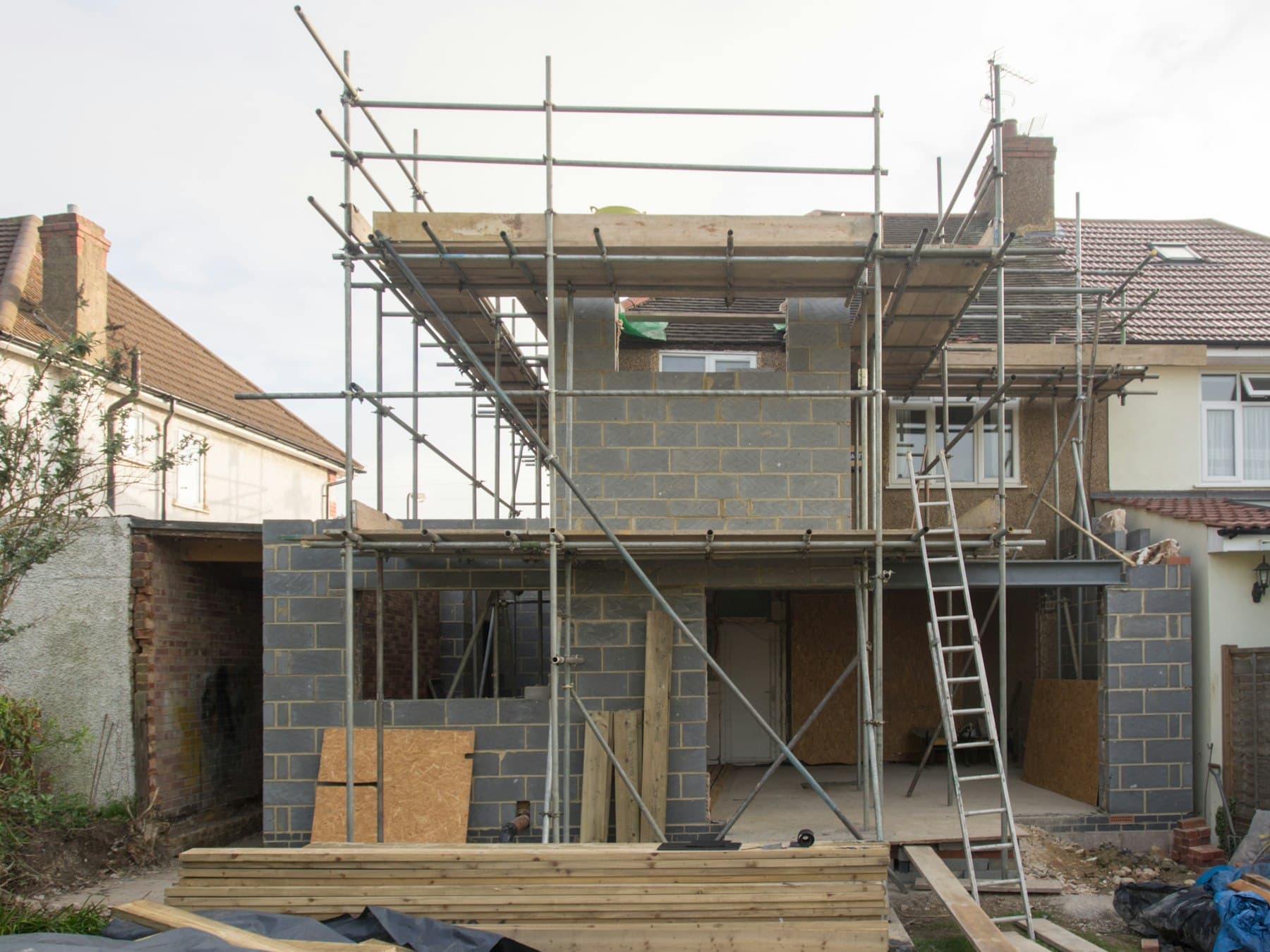
A self-build mortgage lends you money in stages as your home is built, rather than in one lump sum on completion. The lender releases funds for the land and then for each stage of the build, so you only borrow, and pay interest on, what has been drawn so far. Once the house is finished, the loan usually moves onto a standard mortgage.
How is it different from a normal mortgage?
A normal mortgage is secured on a finished home with a known value. With a self-build, the home doesn't exist yet, so the lender is lending against the land and the work as it happens. That's why the money comes in stages, with a valuer visiting before each release to confirm the work is done.
The stages typically follow the build: land purchase, foundations, wind and watertight, first fix, second fix and completion. Our guide to self-build stage payments explains each one and the difference between arrears and advance payments.
How much deposit do you need?
Most lenders lend a percentage of the land cost and a percentage of each stage's build costs, so you need to fund the rest yourself. In practice, many self-builders need around a quarter of the total project cost from their own funds, although some lenders and advance-payment schemes ask for less.
Cash flow matters as much as the headline deposit. With arrears schemes, you pay for each stage before the lender releases funds, so you need enough cash or short-term funding to keep the build moving.
Can you use land you already own?
Yes. If you already own your plot, its value can often count towards your deposit, which can make the project much easier to fund. If you're buying land and building, the lender will want to see planning permission before releasing the build funds, and may lend less on the land alone.
What lenders will want to see
Planning permission and approved building regulations plans
A detailed cost breakdown and build timeline, with a contingency
Who is doing the work: a main contractor, a package-home company or you managing trades
A structural warranty or architect's certificate, so the finished home can be mortgaged and later sold
Your income and outgoings, as with any mortgage, plus where you'll live during the build
How much can you borrow?
Affordability is assessed much as it is for a standard mortgage, based on your income and commitments. The lender also caps the loan by the land and build costs and by the expected value of the finished home. If you're also paying rent or a mortgage elsewhere during the build, lenders take that into account.
It's worth checking whether you can reclaim VAT on materials through HMRC's scheme for DIY housebuilders, as this can affect your budget. Your accountant can advise on that.
Talk to us
We arrange self-build mortgages for clients across Croydon, Surrey and London, from single plots to replacement dwellings. We'll match your project to lenders whose stage payments suit how you plan to build. Our mortgage advice is fee-free, and your first consultation is free and without obligation. Book a consultation or call 020 8668 6080.
Your home may be repossessed if you do not keep up repayments on your mortgage.
Frequently asked questions
Lenders usually lend a percentage of the land cost and of each stage's build costs. Many self-builders need around a quarter of the total project cost from their own funds, although some schemes ask for less.
Often, yes. The value of a plot you already own can usually count towards your deposit.
Once the home is complete and signed off, the loan usually moves onto a standard mortgage.
Thinking about your own mortgage?
Speak to an adviser about what this means for your situation. There is no charge for an initial conversation.
More reading
Moving Buy-to-Let Property Into a Limited Company: The Mortgage Side
Thinking of moving your buy-to-lets into a limited company? How the transfer is treated for stamp duty and capital gains tax, and how the refinance works.
3 min readCan You Remortgage Early? Locking In a Rate Before Your Fix Ends
With interest rates rising, many homeowners want to secure their next deal now. Here is how early you can remortgage, how to avoid early repayment charges and when leaving early can still make sense.
3 min readAre Mortgage Rates Going Up? What the November Rate Rise Means for You
The Bank of England has raised interest rates for the first time since 2023. Here is what it means for your mortgage, whether you are on a tracker, a variable rate or a fix that is about to end.
3 min read