
What counts as semi-commercial property?
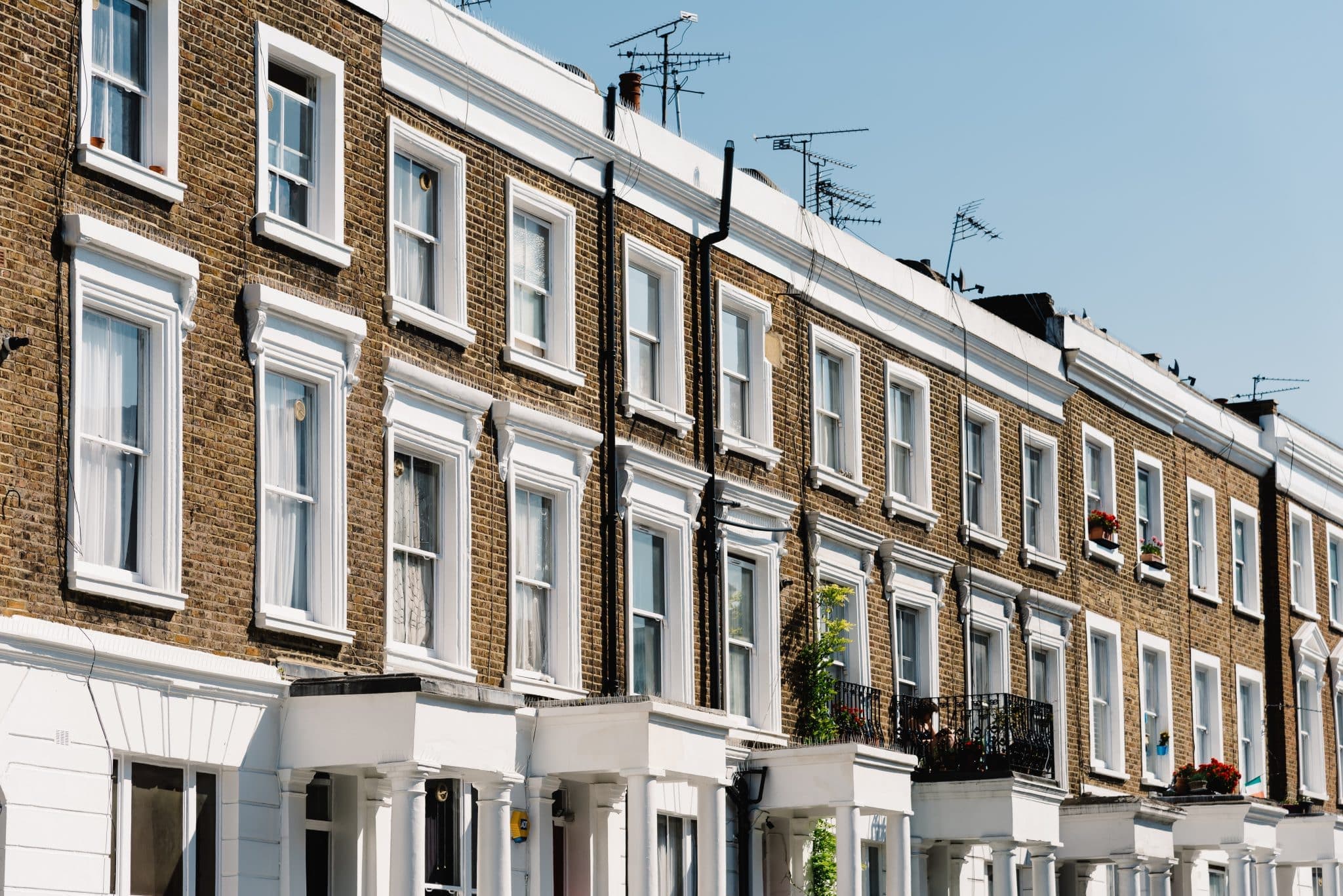
Lenders use the term for buildings that have both a commercial and a residential element. Common examples include:
A shop, café or restaurant with one or more flats above
Offices with residential units on the upper floors
A pub or other licensed premises with living accommodation
A parade of shops with flats, bought as a single investment
How lenders assess mixed-use property
Lenders usually look at the split between commercial and residential space, the leases in place, the strength of the tenants and the income the building produces. Many prefer the residential part to make up a larger share of the value, but specialist lenders will consider buildings that are mostly commercial. The valuation approach, the deposit required and the rate can vary widely from one lender to another, which is why it pays to compare.
Ways we can help
Buying a mixed-use investment property
Owner-occupiers buying premises with a flat above for their business
Refinancing or raising capital from an existing building
Holding property in a limited company or SPV
Short-term bridging finance for auction purchases or refurbishment before refinancing
Building a portfolio
Semi-commercial property can sit well alongside a residential portfolio, with longer commercial leases balancing shorter residential tenancies. If you already own several properties, we can look at your whole portfolio and how a mixed-use purchase fits with your existing borrowing.
Most commercial and semi-commercial mortgages are not regulated by the Financial Conduct Authority.
Your property may be repossessed if you do not keep up repayments on your mortgage.
Bridging loans are not regulated where the property is not, and will not be, occupied by you or a close family member.
A fee may be chargeable on large commercial loans and more complex scenarios, based on the time required. Any fee will be explained and agreed with you before we proceed.